MASSAGE FOR CHILDREN WITH CEREBRAL PALSY CPD COURSE
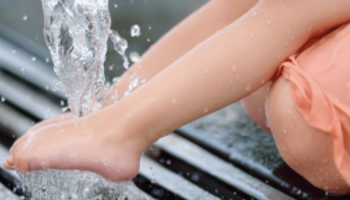
This course will develop your knowledge of the types and causes of cerebral palsy and how it presents itself in the body, to identify the contraindications and precautions that you should take when treating a child with this disability, adapting the techniques according to how they are affected.
Having had a child with cerebral palsy I've become accustomed to treating muscle spasticity and helping to prevent bowel obstructions. NHS resources are limited and often tend to work alongside a basic protocol which may not always be the most effective treatment for your child who has individual needs. This is an accessible and affordable therapy to deal with bowel problems, muscle spasticity and hypotonia. I can offer a full massage if the child will tolerate it, or work on specific areas. If constipation is the issue then all thats needed is a 15 minute session which can easily fit around other activities.
The practical day in Tunbridge Wells,
This course combines well with:-
Massage for Common Medical Conditions
IASTM
Advanced Colon Massage
COURSE CONTENT & OVERVIEW
Legislation
Professional Code of Conduct
Anatomy and Physiology
What is Cerebral Palsy/What Causes it?
Types of Cerebral Palsy
Symptoms and Associated Conditions
Gait Patterns in Spastic Cerebral Palsy
Spastic Hemiplegia
Spastic Diplegia
Massage Techniques
Contraindications and Precautions
Benefits of Massage for Cerebral Palsy Hypotonia
Hypertonia
Suggestions Prior to Practice
COST:£265
DURATION: Theory at your own pace plus half day practical in Tunbridge Wells
CPD POINTS: 10
PRE-REQUISITES: Should have level 3 body massage with anatomy and physiology, or experience as a physio assistant or similar.
LEARNING OUTCOMES
• to develop your knowledge of the types and causes of cerebral palsy and how it presents itself in the body
• to identify the contraindications and precautions that you should take when treating a client with cerebral palsy
• to familiarise yourself with the common gait patterns in a client with cerebral palsy
• to understand the difference between hypotonia and hypertonia in terms of massage techniques and goals
• to be able to offer much needed treatment for physically disabled children which is in short supply and often difficult to access
ASSESSMENT Theory assessment only – The overall pass mark must exceed 70%. Retakes available free of charge.
QUALIFICATION: Massage for Children with cerebral Palsy approved by the IGCT will act as a valuable addition to your CPD portfolio.