Self-Help Guides
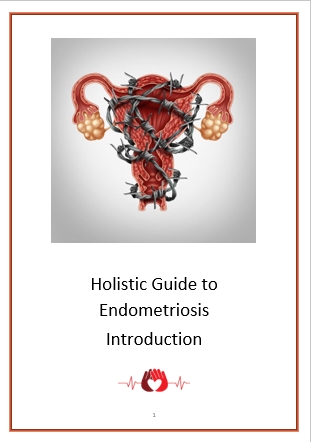
The Holistic Guide to Endometriosis is a comprehensive, multi-part self-help programme created in collaboration with a gynaecologist, fertility specialist, nutritionist, personal trainer, herbalist, and psychologist. Structured as a step-by-step healing journey to be worked through over three to six months, the guide moves through the condition itself, treatment, lifestyle factors, diet and meal planning — supported by an introduction that frames the whole approach and a resources & bibliography section of curated podcasts, books, websites, and brands.
This guide aims to help women understand the root causes of endometriosis and hormonal imbalance, communicate more effectively with healthcare providers, and make sustainable lifestyle, dietary, and nutritional changes to reduce symptoms and support long-term hormonal health.
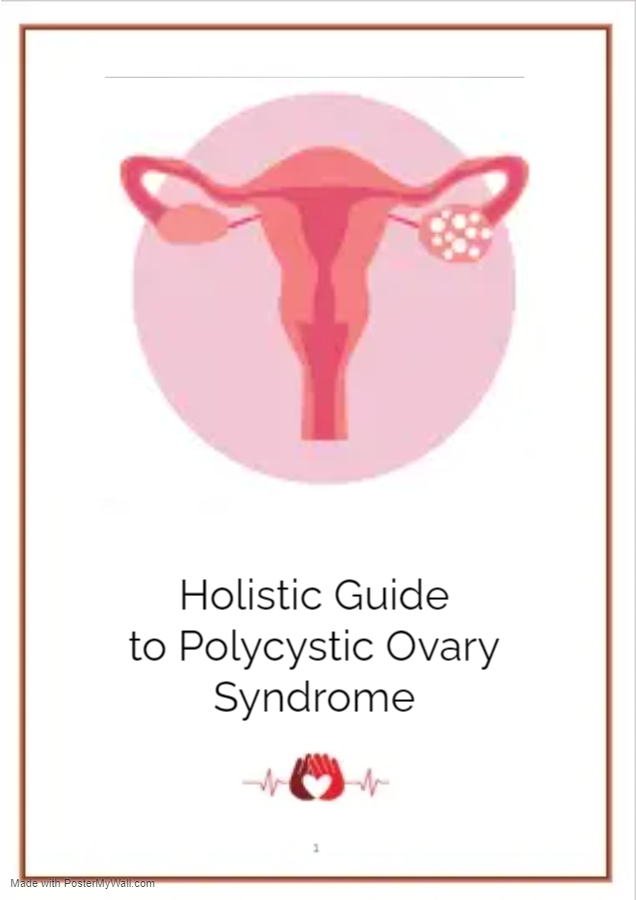
The Holistic Guide to Polycystic Ovary Syndrome (PCOS) is a companion multi-part self-help programme, created alongside a gynaecologist, fertility specialist, nutritionist, personal trainer, herbalist, and psychologist.
Following the same three-step healing structure as the endometriosis guide, it moves through treatment, lifestyle, diet, meal planning, and, of course, the condition itself — framed by an Introduction outlining the step-by-step approach and a resources & bibliography of curated podcasts, books, websites, and brands.
Together, the guide helps women understand the hormonal roots of PCOS, engage more confidently with their doctors and blood work, and adopt sustainable lifestyle, dietary, and meal-planning changes to manage symptoms and restore hormonal balance.
Understanding Your Trauma: This Self Help Guide is a single-volume resource written by someone who not only specialises in trauma work, aimed at helping survivors understand the physiological roots behind the psychological symptoms of trauma, PTSD, and anxiety, but has also experienced extensive trauma herself.
The guide covers the body's shock response, specific types of trauma including domestic abuse, childhood sexual abuse, rape, and male victims of abuse, and explores the effects of trauma on the nervous system, from neurogenic tremors and vagus nerve function to signs of undiagnosed trauma. It also addresses trauma-specific bodywork such as yoni massage, offers practical tools including vagus nerve exercises, nervous system rewiring techniques, trauma processing methods, and healthy coping strategies, and closes with a focus on resilience-building and posttraumatic growth (PTG) to help readers move toward a stronger, purpose-driven baseline.
Rounded out with a bibliography and list of relevant support organisations, the guide is designed as an accessible, relatable entry point for trauma survivors seeking to understand what's happening in their bodies and begin their recovery journey. It is accompanied by the somatic exercise guide.
Somatic Exercises for Trauma Release is a practical bonus companion to the Understanding Your Trauma guide, focused on body-based healing rather than talk therapy or meditation. It opens by helping readers recognise signs that trauma is stored in the body (sleep problems, chronic pain, brain fog, gut issues) and signs of dorsal vagus nerve shutdown and the freeze response, then explains why survivors often avoid healing their bodies and why meditation can feel overwhelming or even retraumatising for trauma survivors.
It introduces somatic exercises — gentle, intention-led movements that work through the body rather than the mind — as a more accessible alternative for releasing stored trauma and calming the nervous system. The bulk of the guide is a set of 10 step-by-step somatic exercises (including Hip Rocking, Hip Opening, Total Body Rocking, Hip Unlocking, Hip Butterfly, Seated Rocking, Upside Down Sway, Hip Circles, Chest Sway, and Psoas Release), each with instructions and illustrative photos, designed to stimulate the vagus nerve, unlock tension held in the hips and body, and support an emotional and physical release that helps survivors move out of crisis toward a calmer, more regulated state.
Tantric Guide for Couples, is a two-part educational guide on tantric massage practice for couples. Part One covers Lingam Massage, explaining its purpose, benefits, technique, positioning, and a full routine, relevant anatomy and reflexology, and frequently asked questions.
Part Two covers Yoni Massage, including anatomy, reasons and benefits, common blockages, expectations and communication between partners, emotional release, types of orgasm, key stimulation points, technique, and a closing section on conscious sensuality.
Framed as a tool for building sexual and spiritual connection rather than simply pursuing orgasm, the guide blends practical how-to instruction with tantric philosophy, aiming to help couples deepen intimacy, release stored tension or emotion, and increase sexual awareness and confidence.